


Buying your first home is exciting. It is also overwhelming, confusing, and filled with decisions that can cost you thousands of dollars if you rush or rely on bad advice.
Most first-time buyers do not fail because they lack money. They fail because they lack clarity.
If you are searching for first time home buyer tips, you are already doing the right thing. You are slowing down, learning the process, and trying to avoid the mistakes that so many people make quietly and pay for loudly later.
What First-Time Home Buyers Usually Get Wrong
The biggest mistake first-time buyers make is assuming the process will somehow guide them.
It will not.
Buying a home is not a straight path. It is a maze of financial checks, legal steps, negotiations, inspections, and emotional decisions. Without preparation, you end up reacting instead of deciding.
Many buyers focus only on the listing price. They ignore ongoing costs, underestimate closing expenses, or stretch their budget because the monthly payment looks manageable on paper.
Others fall in love with a house before understanding the neighborhood, the resale value, or the true condition of the property.
The goal is not just to buy a house.
The goal is to buy the right house at the right price, with terms that protect your future.
Understanding What You Can Truly Afford
Affordability is not the same as what a lender approves.
Just because a bank says yes does not mean your lifestyle will survive the payment.
You need to look at your full financial picture, not just your income.
Ask yourself:
- How stable is my job or business income
- How much do I spend monthly without thinking about it
- Do I have an emergency fund after paying for the home
A smart rule is to ensure you can still save money every month after paying your mortgage, insurance, taxes, utilities, and maintenance.
If owning a home leaves you stressed every payday, you bought too much house.
Saving More Than Just the Down Payment
Many first-time buyers prepare only for the down payment. That is a costly oversight.
You will also need funds for:
- Closing costs
- Inspections
- Appraisal fees
- Moving expenses
- Initial repairs or upgrades
Some of these costs arrive suddenly, and delaying them can delay your entire purchase.
The best preparation is to have extra savings beyond what you think you need. This buffer gives you confidence and flexibility during negotiations.
Why Mortgage Pre-Approval Changes Everything
Mortgage pre-approval is not just a formality. It is a strategy.
Without it, sellers may not take your offer seriously. With it, you negotiate from a position of strength.
Pre-approval also reveals your realistic price range before emotions get involved. It protects you from falling in love with homes you cannot actually buy.
Do not confuse pre-qualification with pre-approval. One is a quick estimate. The other is a verified review of your finances.
If you want your offer to compete, you want pre-approval.
Choosing the Right Location for Your Life
First-time buyers often underestimate the importance of location.
You can renovate a kitchen. You cannot move a neighborhood.
Pay attention to:
- Daily commute time
- Access to groceries, healthcare, and services
- Noise levels and traffic patterns
- Long-term development plans in the area
Spend time in the neighborhood at different hours. Talk to residents. Observe how it feels on a normal day, not just during a showing.
Your quality of life matters as much as square footage.
Looking Beyond the Surface of a Home
Fresh paint and staging can hide serious problems.
This is where many first-time buyers get emotionally trapped.
Always look past appearances and ask practical questions:
- How old is the roof
- When was the HVAC system last replaced
- Are there signs of water damage
- How well has the home been maintained
Never skip a professional inspection. Ever.
An inspection is not about killing the deal. It is about understanding what you are buying and negotiating fairly based on facts.
Negotiation Is Not Confrontation
Many first-time buyers are uncomfortable negotiating. They worry about offending the seller or losing the house.
This mindset costs money.
Negotiation is not personal. It is part of the process.
You can negotiate:
- Purchase price
- Closing cost contributions
- Repairs or credits
- Move-in timelines
This is where professional guidance becomes invaluable.
The Importance of a Realtor or Real Estate Agent
Buying your first home without a realtor is like going to court without a lawyer.
A good real estate agent does far more than unlock doors.
They:
- Analyze market value so you do not overpay
- Identify red flags you might miss
- Handle negotiations professionally
- Coordinate inspections and paperwork
- Protect your interests throughout the transaction
Most importantly, they help you make decisions with logic when emotions run high.
First-time buyers are especially vulnerable to pressure, excitement, and fear of missing out. An experienced agent keeps the process grounded and focused on your long-term goals.
The right agent listens more than they talk. They explain, not push. They work for you, not the deal.
Understanding the True Cost of Ownership
Owning a home comes with responsibilities that renting does not.
You are responsible for:
- Repairs and maintenance
- Property taxes
- Insurance
- Unexpected issues
A leaking pipe or broken appliance is now your problem.
This does not mean homeownership is risky. It means you must plan for it.
Budgeting for maintenance from day one turns surprises into inconveniences instead of crises.
Timing the Market Without Obsessing Over It
Many first-time buyers wait endlessly for the perfect moment.
The truth is there is no perfect time.
Markets move. Rates change. Life happens.
What matters more than timing the market is being financially and emotionally ready.
If the numbers make sense, the home fits your needs, and you plan to stay long enough to build equity, the timing is likely good enough.
Emotional Discipline Is a Buying Skill
Buying a home is emotional. That is normal.
What matters is how you manage those emotions.
Do not:
- Rush because of competition
- Ignore inspection results
- Stretch beyond comfort due to excitement
Your future self will thank you for staying disciplined.
This is another reason professional guidance matters. An objective voice can save you from emotional decisions you cannot undo easily.
Preparing for the Closing Process
The final stage of buying a home often feels anticlimactic, but it is critical.
During closing, review every document carefully. Ask questions. Confirm numbers.
Do a final walkthrough to ensure the property condition matches expectations.
This is not the time to assume everything is fine.
Attention to detail here prevents problems later.
Life After You Get the Keys
The moment you receive the keys is unforgettable.
But ownership truly begins the next day.
Create a maintenance plan. Build a repair fund. Learn your home systems.
Homeownership is not about perfection. It is about stewardship.
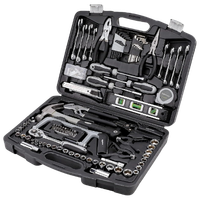
Recommended for new homeowners
Amazon Basics 173-Piece General Household Hand Tool Set
- All-in-one kit for common move-in fixes and everyday home projects
- Durable heat-treated, chrome-plated alloy steel for corrosion resistance
- Comfort non-slip handles and a portable blow-molded storage case
- Includes wrenches, ratchet, hex keys, pliers, and more essentials
Safety note: Wear safety goggles when using the hammer or striking tools.
First-Time Home Buyer FAQ
How much money should I save before buying my first home?
You should save more than just the down payment. Many first-time buyers also need funds for closing costs, inspections, moving expenses, and initial repairs. Having extra savings reduces stress and prevents financial strain during the first few months of ownership.
What is the difference between mortgage pre-qualification and pre-approval?
Pre-qualification is an estimate based on information you provide, while pre-approval involves a lender reviewing your financial documents. Pre-approval gives you a clearer budget and makes your offer stronger in competitive situations.
Do I really need a home inspection if the house looks well maintained?
Yes. Visual condition does not reveal hidden issues like roof wear, plumbing leaks, or electrical problems. A professional inspection helps you understand what you are buying and gives you leverage to negotiate repairs or pricing if issues are found.
How do I choose the right real estate agent as a first-time buyer?
Look for an agent who takes time to explain the process, answers questions clearly, and provides honest advice rather than pressure. A good real estate agent helps you avoid costly mistakes, negotiate confidently, and stay focused on your long-term goals.
What hidden costs should I expect when buying a home?
Common hidden costs include appraisal fees, lender charges, title services, prepaid taxes, insurance, and inspection fees. These expenses can add up quickly, so it is important to review estimates early and plan your budget accordingly.
Can I negotiate after the home inspection?
Yes. Inspection results often open the door to negotiations. Buyers may request repairs, ask for credits, or renegotiate the price based on legitimate findings. This is a normal part of the process and not a sign that the deal is failing.
Should I buy a home at the maximum amount I am approved for?
Not necessarily. Approval limits are based on lender criteria, not your comfort level. Buying below your maximum allows room for savings, maintenance, and unexpected expenses, which makes homeownership more sustainable long term.
What should I do immediately after closing on my first home?
After closing, set aside funds for maintenance, change locks if needed, learn your home’s systems, and address small repairs early. Planning ahead helps you settle in smoothly and prevents minor issues from becoming costly problems.
Final Thoughts for First-Time Home Buyers
Buying your first home is not a race. It is a transition.
The best first time home buyer tips all point to the same truth.
Preparation beats impulse.
Education beats emotion.
Guidance beats guesswork.
With the right mindset, the right support, and the right real estate professional, your first home can be a foundation, not a financial burden.
Take your time. Ask questions. Make decisions you can live with.
Your future starts with the choices you make now.
